The Making of Settlers Bridge: Crafting a Small Town with a Big Heart
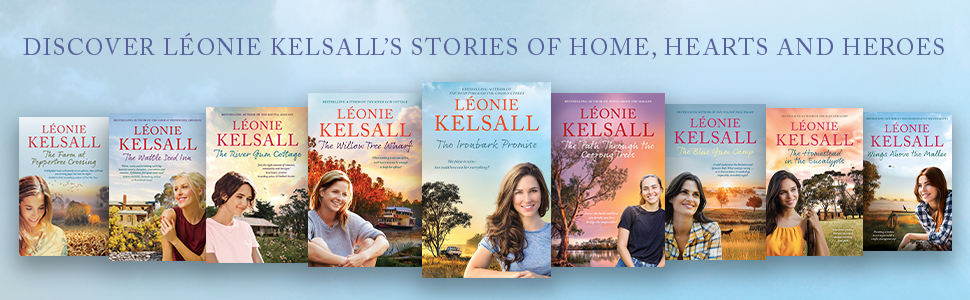
When I first began writing rural fiction, I didn’t set out with a detailed map or a grand design …I had no idea I was going to be creating a series, just that I wanted a small rural town to feature in The Farm at Peppertree Crossing. But as the stories grew, so did the town of Settlers Bridge—a fictional community that’s become as real to me as any of the regional places I’ve lived. With each book, it has evolved into more than just a backdrop: it’s a character in its own right, rich with secrets, quirks, heartaches, and hope.
Settlers Bridge is built from the bones of the rural South Australian communities I’ve known and loved. I incorporated the dusty, potholed roads, the laconically dry humour, the neighbourly gossip, and that quiet, unspoken understanding that in small towns, people take care of their own—even if they don’t particularly like them.
There’s a very specific kind of magic in country life: the kind found in local footy rivalries, the local tourist centre’s unpredictable hours, or the way everyone still refers to a closed down-café by the name it had twenty years earlier. I wanted to capture that authenticity—not to romanticise rural life, but to honour it, warts and all.
There’s something uniquely powerful about stories set in small towns. In cities, anonymity is easy. But in a town like Settlers Bridge, nothing stays hidden for long. That proximity creates both deep connection and simmering tension: long-held grudges in the CWA, tightly woven loyalties, unspoken history.
It also allows space for quieter moments—pauses in which characters can reflect, rebuild, or reckon with their past. In Settlers Bridge, healing isn’t found in grand gestures, but in everyday acts: a mechanic’s kindness, a neighbour’s casserole, a shared silence on a verandah at dusk.
When I write Settlers Bridge, I treat it like a character with its own personality – one I have a great fondness for. There are the two pubs, directly opposite one another, where everyone ends up—whether for celebration or scandal. The diner that was the phoenix rising from the ashes of a much-loved café (which the locals are desperate to bring back, so I might have to look at that!). The mechanic’s workshop, the GP’s rooms, the old council building behind the ironbark tree on the back street that hosts a number of businesses. These aren’t just settings, but emotional landmarks. They hold memories for the characters, and for me.
What I love most about writing Settlers Bridge is the way it holds contradictions. It’s warm but wary, open-hearted yet fiercely protective of its own. Outsiders can struggle to find their place—but once you’re in, you’re in for life. That duality provides such fertile ground for conflict, growth, and redemption.
Rural life isn’t always easy. It can be isolating, and at times, unforgiving. But it also fosters resilience, humour, and connection in ways I find endlessly inspiring.
Léonie xx